Recognizing Dyslexia in Children: Key Signs Parents Should Look For and How to Help
- jessicachristineot
- Jun 1
- 3 min read
Dyslexia affects about 1 in 10 children, yet many parents may not recognize the early signs. Identifying dyslexia early can make a big difference in a child’s learning experience and confidence. This post highlights the key signs parents might notice, including challenges with reading, writing, and spelling, as well as behavioral clues. It also offers practical tips on how to support your child and seek the right help.
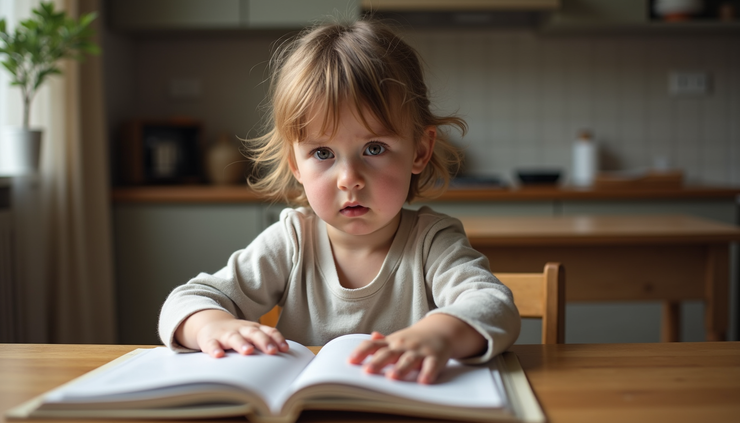
Early Indicators of Dyslexia in Reading, Writing, and Spelling
One of the most common early signs of dyslexia is difficulty with reading. Children with dyslexia often struggle to connect letters to sounds, which makes decoding words slow and frustrating. You might notice your child:
Has trouble recognizing common words they should know by sight, such as "the" or "and."
Reads slowly and hesitates frequently, guessing words instead of sounding them out.
Mixes up letters or reverses them, like confusing "b" and "d" or "was" and "saw."
Struggles with spelling, often spelling the same word differently in one sentence.
Finds writing difficult, with messy handwriting or trouble organizing thoughts on paper.
For example, a mother shared how her 7-year-old son would read the same sentence repeatedly but still couldn’t remember the words. He often reversed letters and got frustrated when asked to write a simple sentence.
Behavioral Signs That May Indicate Dyslexia
Beyond academic challenges, dyslexia can affect how children feel about school and learning. Parents might notice:
Frustration or anxiety around reading and writing tasks. Your child may become upset or avoid homework.
Avoidance of reading activities, such as refusing to read aloud or choosing not to read for fun.
Low self-esteem related to schoolwork, sometimes leading to acting out or withdrawing.
Difficulty following multi-step instructions, which can be mistaken for inattentiveness.
Slow processing of verbal information, making it hard to keep up in class discussions.
One parent described how her daughter would cry before reading time at school and often said, “I’m just not good at reading.” This emotional response was a key sign that something more than simple disinterest was going on.
How Parents Can Support Their Child
Supporting a child with dyslexia starts with understanding and patience. Here are some ways parents can help:
Create a positive reading environment. Choose books that match your child’s interests and reading level to build confidence.
Use multisensory learning techniques. Activities that combine sight, sound, and touch can help reinforce learning. For example, tracing letters in sand while saying the sounds aloud.
Break tasks into smaller steps. This makes homework less overwhelming and easier to manage.
Encourage strengths outside reading. Celebrate talents in art, sports, or other areas to boost self-esteem.
Communicate with teachers. Share your concerns and ask about accommodations or extra support.
Seek professional evaluation. A specialist can diagnose dyslexia and recommend tailored interventions.
A father shared how using audiobooks alongside printed books helped his son enjoy stories without the pressure of decoding every word. This approach kept reading fun and reduced frustration.
When and How to Seek Help
If you notice several signs of dyslexia, it’s important to act early. Early intervention can improve outcomes significantly. Steps to take include:
Talk to your child’s teacher. They can provide observations and suggest classroom strategies.
Request a formal assessment. Educational psychologists or specialists in learning difficulties can diagnose dyslexia.
Explore support services. Many schools offer reading specialists, tutoring, or individualized education plans (IEPs).
Consider outside resources. Organizations dedicated to dyslexia provide tools, workshops, and support groups for families.
Remember, dyslexia is a lifelong condition, but with the right help, children can thrive academically and personally.


Comments