Engaging Summer Routines for Kids Balancing Fun Learning and Adventure
- jessicachristineot
- Jul 16
- 3 min read
Summer break offers a wonderful chance to refresh kids’ minds while keeping them active and curious. Yet, many parents face the challenge of creating routines that mix learning with play, structure with freedom. A well-planned summer routine can help children stay engaged, develop new skills, and enjoy their time outdoors without feeling overwhelmed or bored. This post shares creative ideas and practical tips to build summer days full of fun, learning, and adventure.
Building a Balanced Daily Schedule
Kids thrive on routine, but summer calls for a flexible approach. The goal is to create a daily rhythm that includes time for learning, play, rest, and exploration. Here’s how to start:
Set consistent wake-up and bedtimes to keep their internal clocks steady.
Divide the day into blocks for different activities: morning learning, midday outdoor play, afternoon crafts or reading, and evening family time.
Include breaks and snacks to keep energy levels up.
Keep screen time limited and purposeful, such as educational videos or interactive apps.
For example, a typical day might begin with a 30-minute reading session, followed by a math game or science experiment. After lunch, kids can spend time outside riding bikes or exploring a local park. Late afternoon could be perfect for arts and crafts or quiet time with a book.
Fun Outdoor Adventures to Spark Curiosity
Outdoor activities are essential for physical health and mental well-being. They also offer natural opportunities for learning about the environment and science. Consider these ideas:
Nature scavenger hunts: Create a list of items to find, like different leaves, rocks, or insects.
Gardening projects: Kids can plant flowers or vegetables and watch them grow, learning about biology and responsibility.
Local hikes or nature walks: Explore trails and discuss plants, animals, and ecosystems.
Water play: Sprinklers, water balloons, or simple experiments with water can teach concepts like volume and temperature.
These adventures encourage curiosity and physical activity while giving kids a break from screens and indoor spaces.
Creative Arts and Crafts to Inspire Imagination
Arts and crafts provide a hands-on way for children to express themselves and develop fine motor skills. They also offer a calming, focused activity that balances more active parts of the day. Try these projects:
DIY nature collages using leaves, twigs, and flowers collected outdoors.
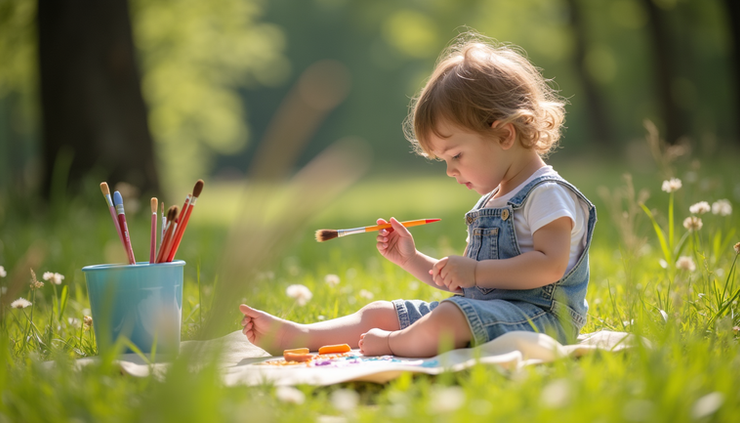
Painting or drawing sessions inspired by summer themes like beaches, animals, or family vacations.
Simple science crafts such as making a homemade volcano or creating paper airplanes to explore aerodynamics.
Recycling projects turning household items into art, teaching sustainability.
Set up a dedicated craft corner with supplies easily accessible. Rotate projects weekly to keep things fresh and exciting.
Making Reading Time a Daily Habit
Reading is a cornerstone of learning and imagination. Summer is a perfect time to build a love for books without the pressure of school assignments. Here are some tips:
Create a cozy reading nook with pillows and good lighting.
Choose a mix of books: fiction, non-fiction, comics, and magazines.
Set a daily reading goal that fits your child’s age and interest, such as 20 minutes a day.
Join local library programs or summer reading challenges to add motivation.
Reading together as a family can also be a bonding experience and model lifelong learning.
Involving Kids in Planning Their Routines
Children feel more motivated and responsible when they help design their daily schedule. Here’s how to include them:
Discuss what activities they enjoy and want to try.
Use visual planners or charts where kids can move pieces around to build their ideal day.
Set goals together, like finishing a book or learning a new skill.
Allow choices within limits, such as picking between two outdoor activities or craft projects.
This involvement teaches decision-making and helps balance structure with personal interests.
Balancing Consistency with Flexibility
While routines provide security, summer should not feel rigid. Flexibility allows kids to follow their natural rhythms and explore new interests. To maintain this balance:
Keep core elements consistent, like meal times and bedtime.
Be open to swapping activities based on weather, mood, or special events.
Encourage spontaneous play and rest when needed.
Reflect weekly on what’s working and adjust the schedule accordingly.
This approach supports healthy habits without stifling creativity or fun.


Comments